It began, as these things often do, with the unmistakable sensation of being set on fire by invisible ants. My back had erupted in an eczema flare—a field of red welts that no cream, no sermon, no sheer willpower could tame. Relief was no longer a hope but a project, one that demanded a certain ingenuity, or at least desperation disguised as ingenuity.
First came the hydrocortisone. A humble tube, bought without ceremony at the drugstore, is now elevated to a kind of ceremonial instrument. I twisted and stretched, performing contortions that would make a yogi weep, trying to smear the cream across the unreachable center of my back. By the end, I looked less soothed than glazed.
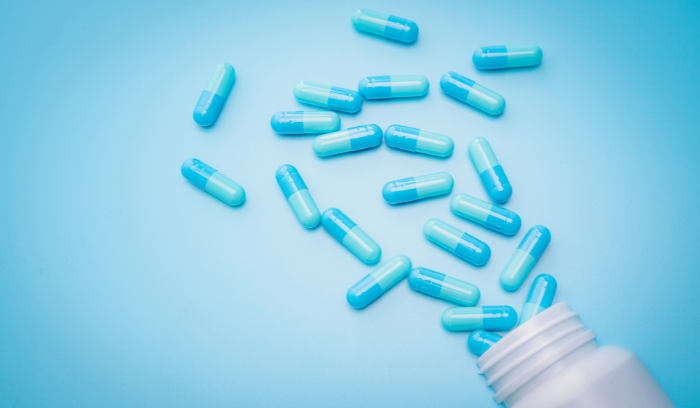
Next, the pharmaceuticals. Benadryl, to blunt the itch; Tylenol, to handle whatever other indignities the night might bring. Each swallowed with the solemnity of a soldier pinning on his medals before marching into battle.
And then—because science can only take one so far—I mixed myself a Negroni. Equal parts gin, Campari, and vermouth: an Italian’s answer to dermatology. If the cream dulled the fire, and the Benadryl dimmed my consciousness, the cocktail was there to reassure me that, whatever happened, I was still civilized.
There, at last, was my remedy: ointment on the skin, pills in the bloodstream, bitters on the tongue—a three-pronged campaign against the itch. I slid between the sheets like a man prepared for either sleep or sainthood, and miraculously, I slept.
The next morning, my back still bore its angry map of irritation, but I awoke with the smug satisfaction of one who had improvised, endured, and triumphed. Not cured, of course—eczema does not indulge in that sort of finality—but temporarily appeased, like a god given an offering just extravagant enough to stave off thunderbolts.
One learns, in these matters, that relief is rarely elegant. It is cobbled together from creams, capsules, and cocktails, stitched with equal parts futility and hope. Dermatology may frown at my methods, but history will note: the itching stopped, and I slept like a child.
Sometimes, that is all the prescription required.