At a Poets & Writers write-in on Monday, we were given a prompt about ghostly eyes.
It stayed with me.
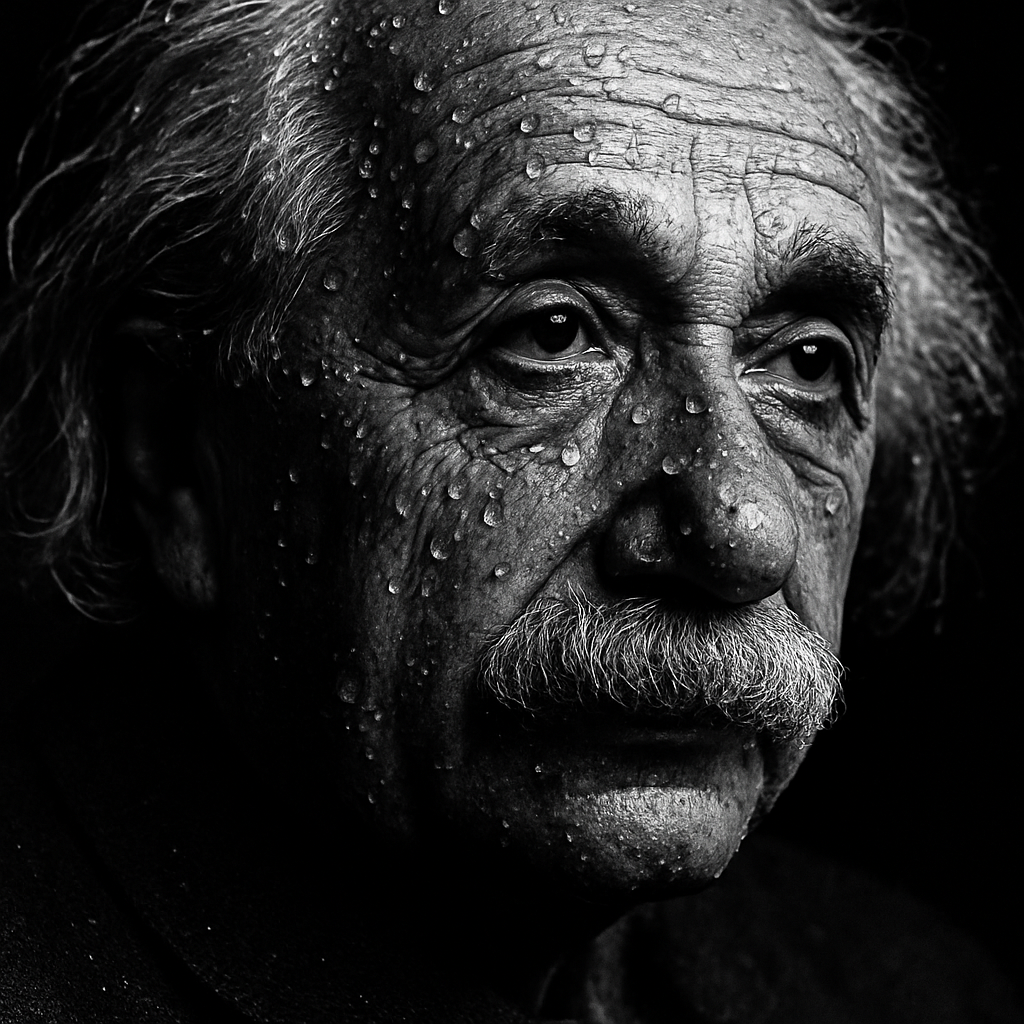
Not the ghost itself — but the idea of who might be behind those eyes.
I began thinking of the great English writers — Charles Dickens, William Shakespeare, Jane Austen, Agatha Christie, G. K. Chesterton, George Orwell, and even Geoffrey Chaucer.
Writers whose sentences stretched and breathed. Writers who lingered.
And I wondered —
What if one of them returned?
What if Dickens walked into the room while we were writing today?
He might sit quietly at first, observing.
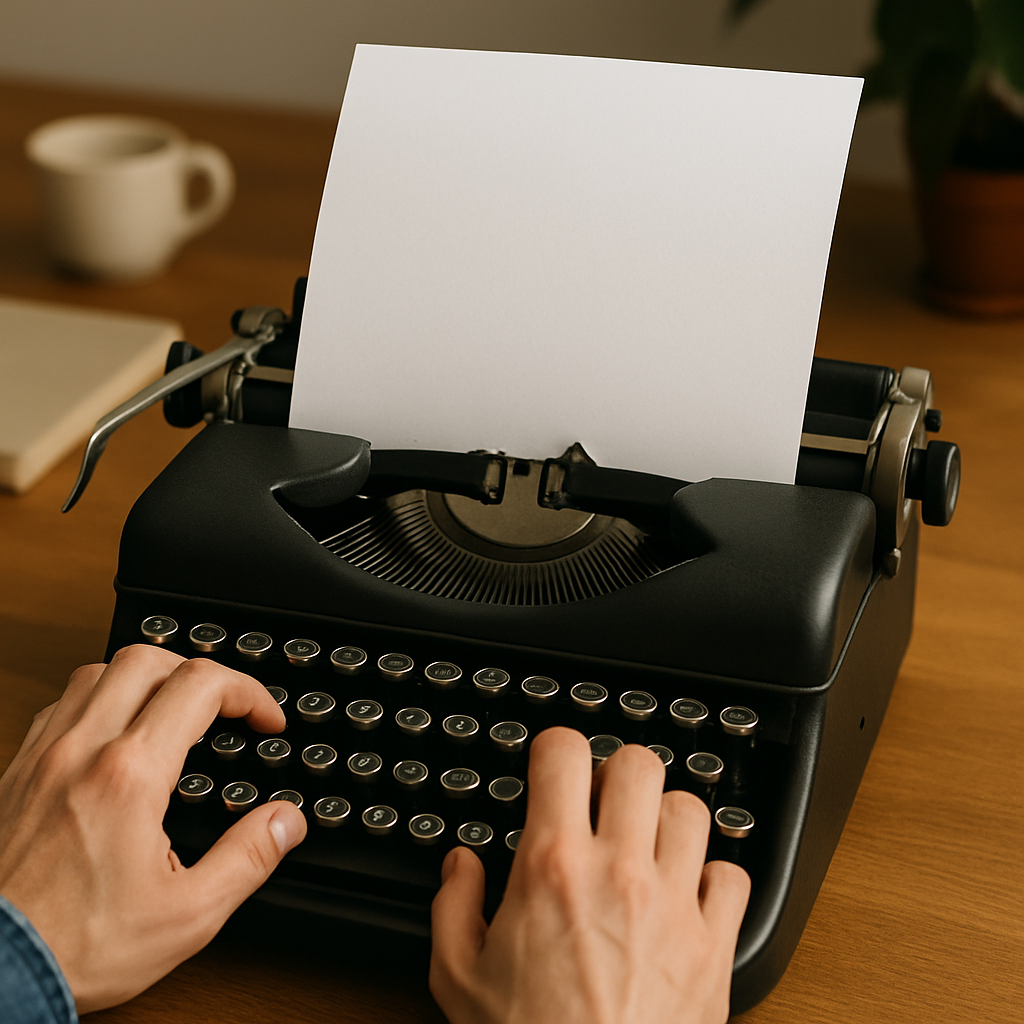
Watching us type.
Watching how quickly we move.
How efficiently we express.
How few words we use.
And then, perhaps, he would say:
“You are in such a hurry.”
Not as criticism.
As curiosity.
Because in his time, writing unfolded.
It described.
It wandered.
It took its time introducing a character, a setting, a feeling.
Today, we are taught the opposite.
Be concise.
Be clear.
Be brief.
Say more with less.
And there is wisdom in that.
But I wonder what we’ve traded away.
Have we gained clarity at the expense of texture?
Have we replaced immersion with efficiency?
Or have we changed the rhythm of storytelling?
I don’t think Dickens would disapprove.
But I think he would notice.
He might ask why we rush past what he would have lingered on.
Why do we summarize what he would have explored?
Why do we move forward when he might have paused?
And perhaps, before he left, he would offer something simple:
“You have learned to write quickly. Don’t forget how to see slowly.”
And then he would be gone.
Leaving us with the cursor blinking.
And a question we didn’t know we needed to ask.