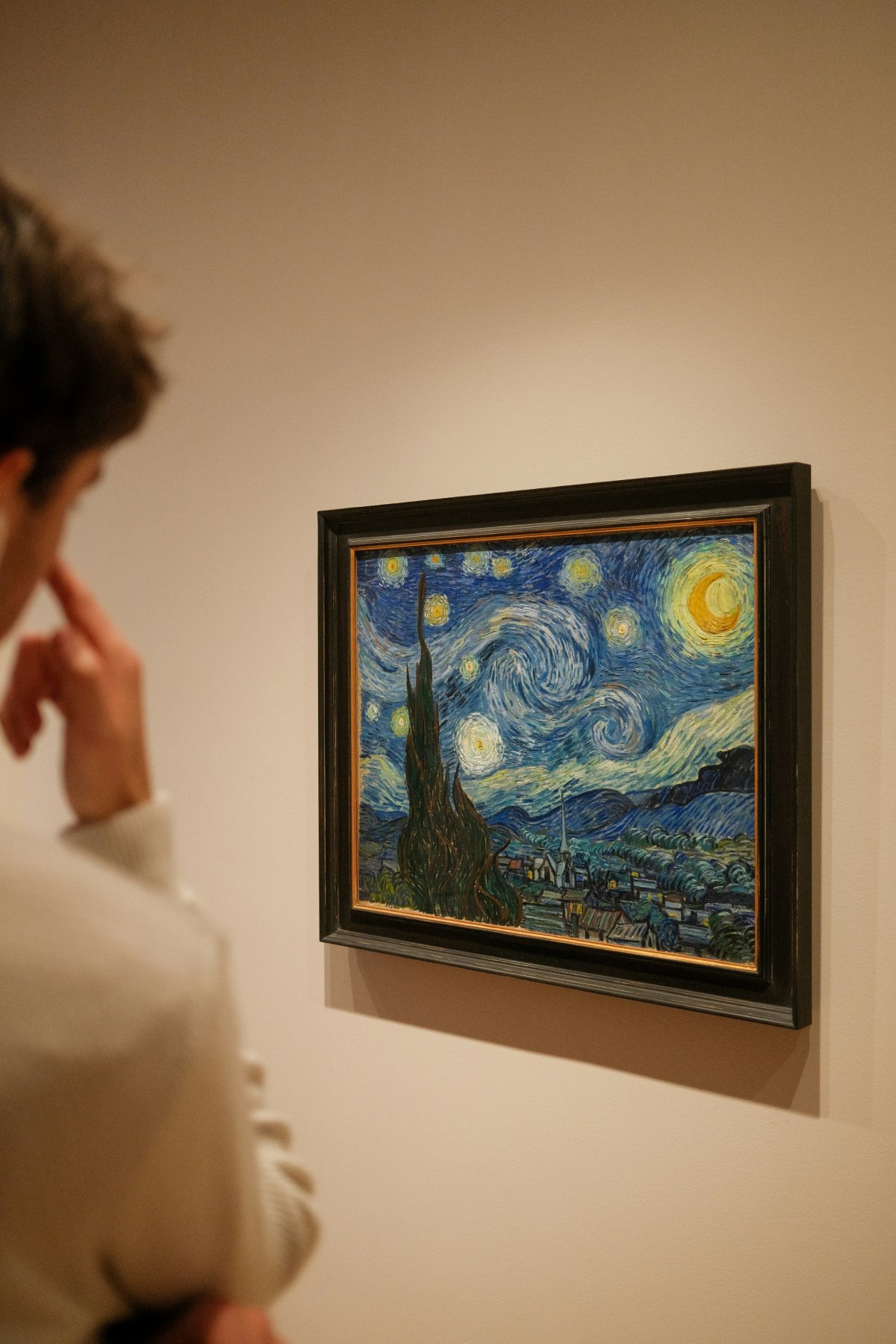
Observation is not passive. It is one of the deepest forms of respect.
At conferences, airports, coffee shops, and even neighborhood sidewalks, I’ve noticed the same quiet phenomenon unfolding.
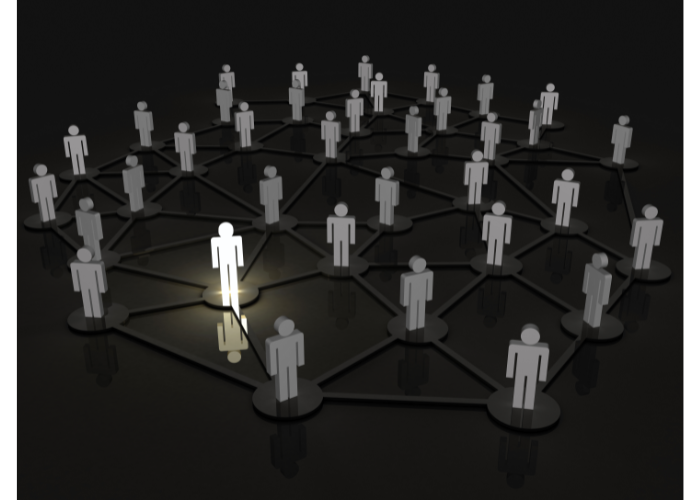
People are looking constantly.
At phones.
At screens.
At the schedules.
At each other.
Yet somehow, many things still go unseen.
A tired expression hidden behind professionalism.
A moment of hesitation before someone speaks.
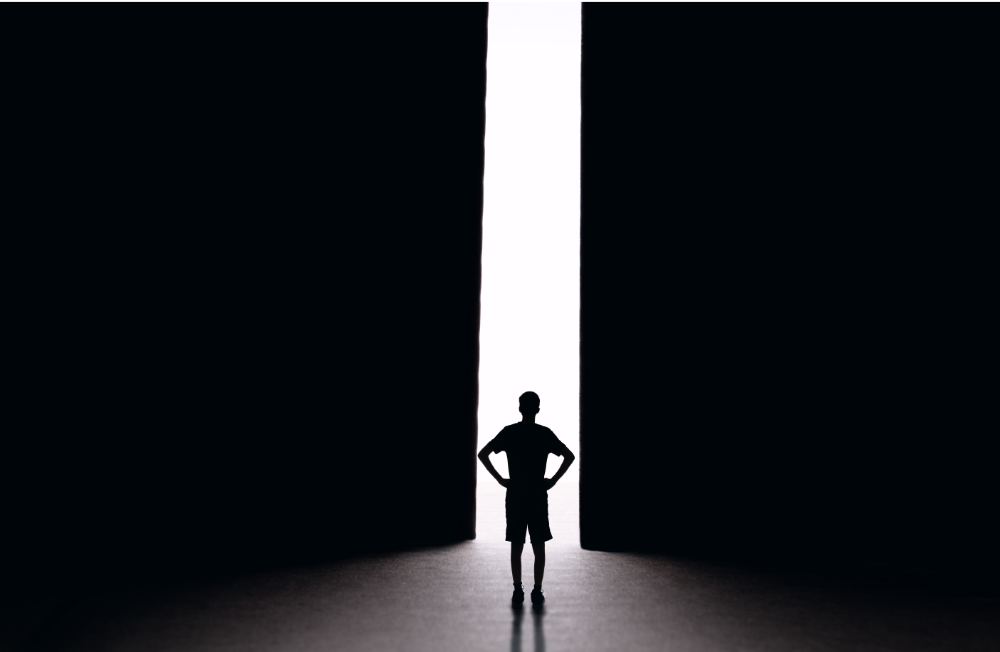
The person standing quietly at the edge of the room, unsure how to enter the conversation.
The older man was eating lunch alone.
The overwhelmed parent is trying to hold everything together in the grocery store checkout line.
The colleague said “I’m fine” just a little too quickly.
Modern life rewards scanning.
We move quickly from headline to headline, task to task, notification to notification. We absorb information at a remarkable speed. We are connected to more people, more news, and more data than ever before.
And yet, I sometimes wonder if we are becoming less observant in the ways that matter most.
Because looking is not the same thing as noticing.
Noticing requires something more difficult.
It requires presence.
It asks us to pause long enough to recognize nuance, emotion, uncertainty, or humanity before moving on to the next thing demanding our attention.
I was reminded of this recently while attending several writing and speaking conference sessions. Beyond the presentations themselves, I found myself observing the quieter moments happening between them.
People search for confidence before asking a question.
Writers are wondering if their stories matter.
Professionals are trying to reinvent themselves after years in another career.
Conversations in hallways seemed far more meaningful than polished presentations on stage.
Many people arrive at conferences hoping not only to learn, but to feel seen. To feel understood. To feel less alone in their ambitions or uncertainties.
I suspect the same is true far beyond conferences.
Patients sitting in medical offices often want more than information. They want reassurance. Employees want acknowledgment. Friends want undivided attention, even for a brief moment.
Sometimes the most meaningful thing we offer another person is not advice, expertise, or solutions.
Sometimes it is simply our attention.
Not performative attention.
Real attention.
The kind that notices hesitation in a voice. Fatigue behind a smile. Excitement, someone is trying not to show too openly. Fear disguised as certainty.
Observation is often misunderstood as passive.
But I’ve come to believe it is one of the deepest forms of respect.
To notice another person fully, even briefly, is to quietly affirm their existence in a world increasingly designed to fragment attention.
Perhaps that is why certain conversations stay with us for years while others disappear almost immediately.
We remember the rare moments when someone truly listened.
In a culture increasingly trained to scan, sort, react, and move on, perhaps the rarest skill is still the simplest one:
to truly notice.